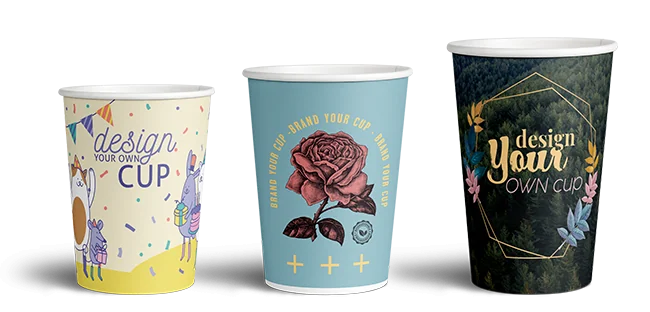
Paper cup printing has become a powerful tool in the modern food and beverage industry, transforming simple disposable cups into effective marketing assets. In today’s competitive market, businesses are constantly searching for ways to stand out and connect with customers, and customized packaging plays a crucial role in achieving this goal 紙杯印刷. Printed paper cups are no longer just containers for drinks; they serve as mobile advertisements that reflect brand identity, communicate messages, and create memorable experiences for customers.
The concept of paper cup printing revolves around applying designs, logos, and information onto paper-based cups using specialized printing techniques. These designs can range from simple branding elements to complex artwork that tells a story about the company. Coffee shops, restaurants, event organizers, and corporate brands all use printed paper cups to reinforce their visual identity. Every time a customer holds a printed cup, it becomes an opportunity for the brand to be noticed, both by the user and by others around them.
One of the main advantages of paper cup printing is its ability to enhance brand recognition. A well-designed cup can leave a lasting impression on customers, making it easier for them to remember and return to the business. Colors, fonts, and imagery all contribute to creating a unique look that differentiates one brand from another. In crowded urban environments, where people often carry beverages on the go, a visually appealing cup can attract attention and spark curiosity, effectively acting as a form of advertising without additional cost.
In addition to branding, paper cup printing also supports communication. Businesses can use printed cups to share messages such as promotions, slogans, or social media information. This direct form of communication allows brands to engage with customers in a subtle yet impactful way. For example, a cup might feature a QR code that leads to a website or a message encouraging customers to follow the brand online. This integration of marketing and packaging creates a seamless connection between the physical product and digital engagement.
The process of paper cup printing involves several technical steps that ensure high-quality results. It begins with the selection of suitable paper materials that are strong enough to hold liquids while maintaining print clarity. The printing process itself may use techniques such as flexographic printing or offset printing, depending on the complexity and volume of the design. These methods allow for precise color reproduction and consistent quality across large production runs. Advances in printing technology have made it possible to achieve detailed and vibrant designs even on curved surfaces like cups.
Sustainability is an increasingly important factor in the development of paper cup printing. As environmental concerns grow, businesses and consumers are seeking eco-friendly alternatives to traditional packaging. Paper cups are often preferred over plastic because they are made from renewable resources and can be more easily recycled. However, the printing process must also align with sustainability goals. This includes using water-based inks, minimizing waste, and ensuring that printed materials do not interfere with recycling processes.
Eco-conscious paper cup printing solutions are gaining popularity as companies strive to reduce their environmental impact. Many manufacturers now offer biodegradable coatings and recyclable materials that maintain functionality while supporting sustainability. This shift reflects a broader trend in the industry, where environmental responsibility is becoming a key part of brand identity. Customers are more likely to support businesses that demonstrate a commitment to sustainable practices, making eco-friendly paper cup printing a valuable investment.
Another important aspect of paper cup printing is customization. Businesses can tailor their cup designs to match specific campaigns, seasons, or events. For example, a café might introduce limited-edition designs during holidays or special occasions, creating a sense of excitement and exclusivity. This flexibility allows brands to stay relevant and engage customers in new ways throughout the year. Customization also enables small businesses to create a unique identity without requiring large marketing budgets.
The role of paper cup printing extends beyond aesthetics and marketing. It also contributes to the overall customer experience. A thoughtfully designed cup can enhance the enjoyment of a beverage, making it feel more special and personalized. Customers often associate the quality of packaging with the quality of the product itself, so investing in attractive and functional cup designs can positively influence perception. This emotional connection can lead to increased customer loyalty and repeat business.
Cost efficiency is another factor that makes paper cup printing appealing to businesses. While there is an initial investment in design and production, the long-term benefits often outweigh the costs. Printed cups serve as continuous advertising, reaching a wide audience without additional marketing expenses. Bulk production further reduces costs, making it accessible for businesses of all sizes. This balance between affordability and impact makes paper cup printing a practical choice for many organizations.
Innovation continues to drive the evolution of paper cup printing. New technologies are enabling faster production times, higher print quality, and more sustainable processes. Digital printing, for example, allows for shorter production runs and greater design flexibility, making it ideal for customized or limited-edition cups. As technology advances, businesses have more options than ever to create unique and effective packaging solutions.
The versatility of paper cup printing also makes it suitable for a wide range of industries. Beyond coffee shops and restaurants, printed cups are used at events, in offices, and for promotional purposes. They can carry branding for conferences, festivals, or corporate campaigns, extending their reach beyond traditional food and beverage settings. This adaptability highlights the value of printed cups as a multifunctional tool in modern marketing strategies.
In conclusion, paper cup printing has evolved into a dynamic and essential component of branding, communication, and sustainability in the food and beverage industry. By transforming ordinary cups into visually engaging and meaningful products, businesses can enhance their visibility and connect with customers in a memorable way. With ongoing advancements in technology and a growing focus on environmental responsibility, paper cup printing continues to offer innovative opportunities for businesses to stand out in a competitive market while delivering value to their customers.