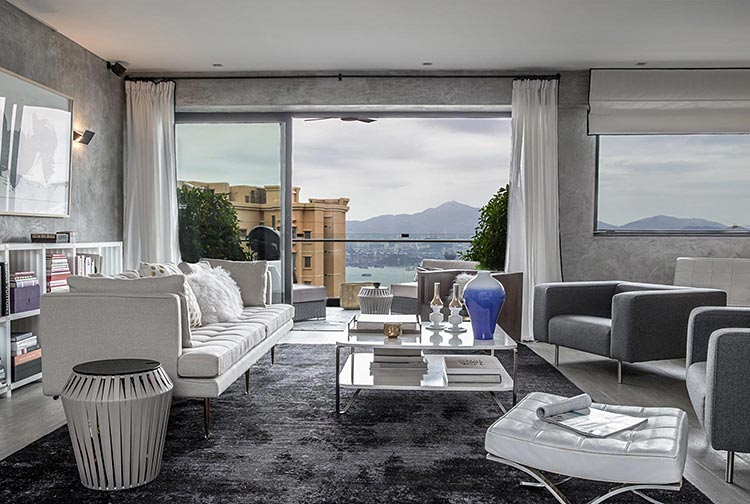
Hong Kong interior design is a dynamic and influential field that reflects the city’s unique blend of Eastern traditions, Western modernity, and fast-paced urban lifestyle. Known for its dense population and limited living spaces, Hong Kong has developed innovative interior design solutions that maximize functionality while creating aesthetically pleasing environments. From residential apartments to commercial offices and luxury hotels, the city’s design trends emphasize efficiency, elegance, and cultural sensitivity, making Hong Kong a hub of creative and practical interior design practices.
One of the defining characteristics of Hong Kong interior design is its focus on space optimization 香港室內設計. With urban living spaces often limited in size, designers must find innovative ways to make small apartments and offices feel spacious and comfortable. Multi-functional furniture, modular storage solutions, and open layouts are common strategies. For example, movable partitions, built-in cabinetry, and convertible furniture pieces allow residents to adapt their spaces for multiple uses, providing flexibility without sacrificing style.
The aesthetic appeal of Hong Kong interior design often merges minimalism with cultural richness. While modern design elements such as clean lines, neutral color palettes, and sleek furniture are prevalent, traditional Chinese motifs and materials are frequently incorporated to maintain cultural identity. Elements like jade accents, bamboo finishes, and calligraphy-inspired artwork offer a connection to heritage, creating interiors that are both contemporary and culturally resonant.
Lighting plays a crucial role in Hong Kong interior design. Given the high-rise living environment, natural light can be limited, making artificial lighting an essential component. Designers use layered lighting strategies, including ambient, task, and accent lighting, to enhance the atmosphere and highlight key features. Adjustable lighting systems and strategically placed mirrors are also employed to create the illusion of more space and to make interiors feel brighter and more inviting.
Sustainability has become an increasingly important consideration in Hong Kong interior design. Eco-conscious materials, energy-efficient lighting, and water-saving fixtures are increasingly integrated into both residential and commercial projects. Recycled and locally sourced materials are favored where possible, reflecting a global trend toward environmentally responsible design. Sustainability not only minimizes environmental impact but also appeals to a growing demographic of consumers and businesses committed to green living.
Cultural influences are deeply embedded in Hong Kong interior design. The city’s colonial history and its position as a global financial hub have resulted in a unique fusion of Western and Eastern design principles. Western contemporary styles, including Scandinavian simplicity and modern industrial elements, are often combined with Chinese decorative arts, Feng Shui principles, and traditional craftsmanship. This fusion creates interiors that are not only functional but also visually rich and meaningful, reflecting the city’s hybrid identity.
Functionality is another cornerstone of Hong Kong interior design. Designers carefully plan layouts to optimize workflow, movement, and usability. Kitchens, bathrooms, and living areas are designed to be compact yet efficient, incorporating smart storage solutions and space-saving appliances. Technology integration is also a hallmark of modern Hong Kong interiors, with smart home systems, automated lighting, and climate control devices being used to enhance convenience and comfort.
In commercial settings, Hong Kong interior design emphasizes brand identity and customer experience. Offices, retail spaces, and hospitality environments are designed to be visually appealing while promoting productivity and engagement. Open-plan office layouts, collaborative workspaces, and stylish reception areas create an inviting and professional atmosphere. Retail stores and restaurants utilize strategic lighting, furniture, and décor to attract customers and enhance the overall shopping or dining experience.
Color and texture are essential tools in Hong Kong interior design. Designers often use a mix of neutral bases with bold accent colors to create depth and interest. Materials such as marble, wood, metal, and glass are carefully combined to balance luxury and practicality. Textures, from smooth lacquered surfaces to textured fabrics, add richness to interiors, making even compact spaces feel layered and comfortable.
The influence of Feng Shui is prominent in many Hong Kong interior design projects. This ancient practice emphasizes harmony, energy flow, and balance within living spaces. Designers often consider furniture placement, color choices, and natural elements to align interiors with Feng Shui principles. While modern design techniques are widely used, these traditional considerations remain important, particularly for residential and corporate clients who value cultural beliefs and holistic well-being.
Minimalism is another significant trend in Hong Kong interior design. Due to the limited size of living spaces, a “less is more” approach is frequently adopted. Clutter-free environments, simple color palettes, and streamlined furniture create a sense of openness and calm. Minimalist design also emphasizes functionality, encouraging residents to prioritize essential items and use space efficiently without compromising comfort or style.
Innovation and technology play a vital role in shaping Hong Kong interior design. Designers continually explore new materials, lighting techniques, and smart solutions to enhance both aesthetics and practicality. Modular furniture, foldable elements, and hidden storage compartments are used creatively to adapt to changing needs. Technological integration also allows for better energy management, security systems, and personalized environmental controls, reflecting the city’s tech-savvy culture.
Residential interior design in Hong Kong often incorporates personal expression within compact spaces. Designers collaborate closely with homeowners to understand their lifestyle, preferences, and functional needs. Customized furniture, tailored storage solutions, and carefully selected décor items allow residents to create homes that reflect their identity while remaining practical for daily living. The goal is to balance comfort, style, and functionality in a way that supports modern urban life.
Commercial interiors in Hong Kong prioritize both efficiency and brand storytelling. Offices, coworking spaces, and luxury retail stores are designed to reflect company values and appeal to target audiences. Flexible workstations, visually striking displays, and inviting communal areas enhance functionality and engagement. In hospitality design, hotels, restaurants, and cafes use creative layouts, materials, and lighting to provide memorable experiences that encourage customer loyalty and repeat visits.
Art and decorative elements are also key components of Hong Kong interior design. Local artists, traditional crafts, and contemporary artwork are integrated to add personality and sophistication. These elements help to create spaces that are unique and memorable, transforming interiors from purely functional environments into immersive experiences that inspire creativity and comfort.
The future of Hong Kong interior design continues to embrace innovation, sustainability, and cultural fusion. Designers are increasingly focused on creating spaces that respond to changing lifestyles, technological advancements, and environmental concerns. Flexible layouts, eco-friendly materials, and smart solutions will continue to define the city’s approach to both residential and commercial interiors.
In conclusion, Hong Kong interior design is a reflection of the city’s fast-paced, multicultural, and innovative spirit. It combines functionality, cultural heritage, and aesthetic appeal to create spaces that are practical, stylish, and meaningful. From small apartments to expansive commercial projects, designers focus on maximizing space, enhancing user experience, and integrating sustainable practices. By balancing tradition and modernity, Hong Kong interior design continues to set trends that influence urban living and creative expression.
Hong Kong interior design demonstrates how space limitations, cultural heritage, and modern technology can come together to create environments that are both functional and visually compelling. Through thoughtful planning, innovative solutions, and attention to detail, the city’s interiors provide not only comfort and utility but also a reflection of identity and lifestyle. This approach ensures that Hong Kong remains at the forefront of interior design innovation, inspiring both local and international design communities.